Choose a Partner, Not a Circus
The co-founder decision outranks the idea, the market, and the money / and almost nobody vets it. What to evaluate, the conversations to have before you sign, the red flags on the midway, and the clown rodeo waiting for anyone who trusts whiteboard chemistry. Spoiler: you're not in the stands. You're in the barrel.
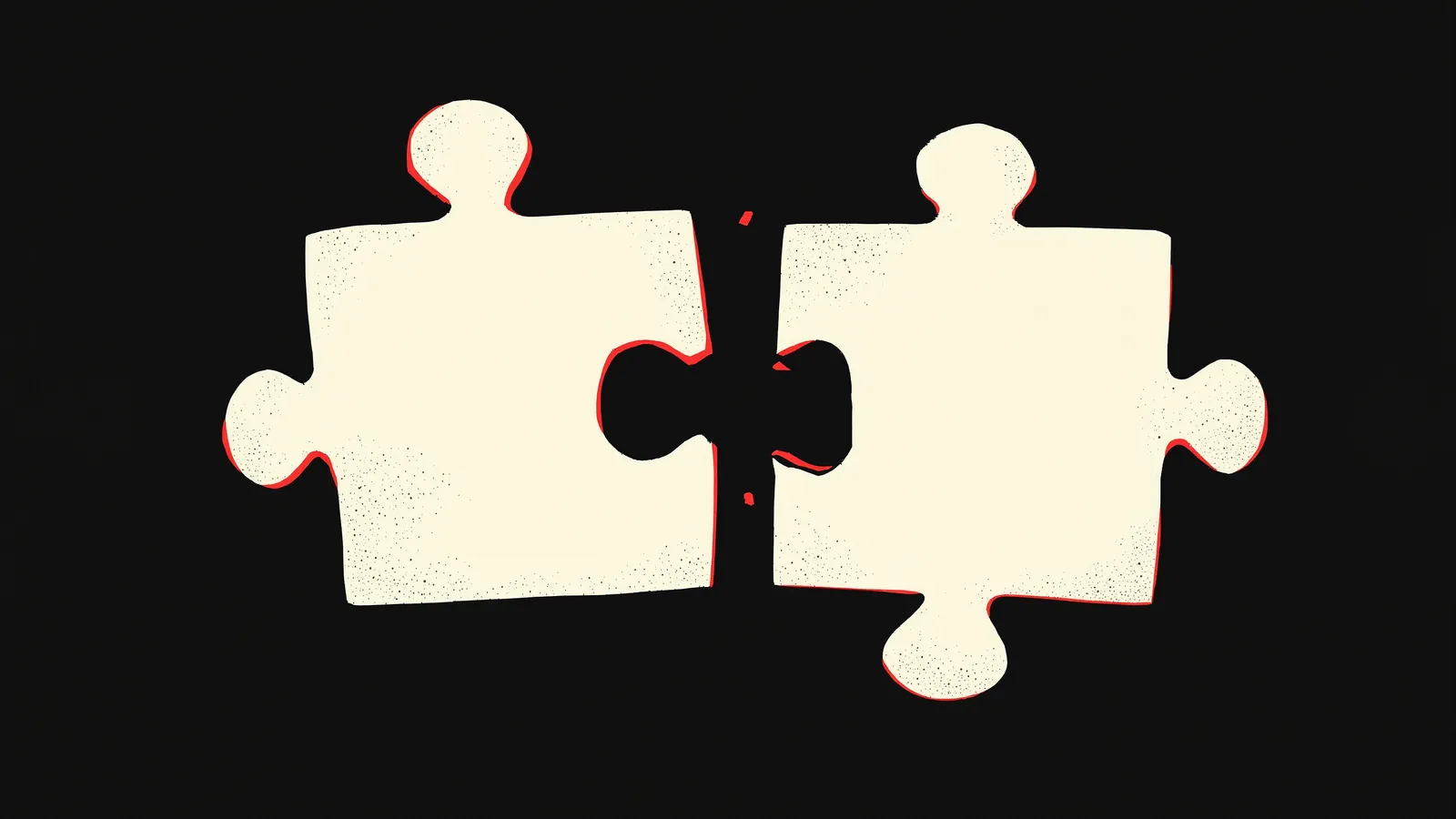
Every founder obsesses over the idea, the market, and the money. Almost nobody puts the same rigor into the single decision that outranks all three: who is standing next to you when it gets hard.
Choose well and you get a company. Choose poorly and you get a clown rodeo / and here is the part they do not tell you: in a clown rodeo, you are not in the stands. You are the one in the barrel.
The decision that outranks the idea
Ideas pivot. Markets shift. Funding comes and goes. Your partner persists through all of it, holding equity, signature authority, and veto power over every future version of the business. Ask anyone who has unwound a partnership what it cost, and they will describe it the way people describe a divorce, because structurally that is what it is / except the courts understand divorce better, and your customers are watching this one.
The partnership decision is usually made in the most casual way imaginable: a friend, a former coworker, someone with money, someone who was simply there when the idea showed up. Enthusiasm at the whiteboard is treated as evidence of fit. It is not. Everyone is a great partner at the whiteboard. The whiteboard has no payroll.
The clown rodeo, defined
Pick wrong and the business does not die immediately. It turns into something worse: a going concern that runs on chaos. Every meeting becomes a performance. Every decision gets relitigated by whoever spoke last. Money moves in ways nobody can quite explain. The org chart is a rumor. And you discover your actual job title: rodeo clown / the one whose role is to jump in front of the bull. The bull is a creditor, an angry client, a missed payroll, a tax notice. Your partner, meanwhile, is on the microphone entertaining the crowd, because in every clown rodeo there is one person doing damage control and one person doing announcements.
The audience can always tell. Customers, employees, vendors / they smell the circus long before you admit you are in one. Nothing burns a reputation, a friendship, and a balance sheet at the same rate as a partnership that should never have been signed. The odds are not exotic, either. Ask around your own network how many first partnerships survived. The clown rodeo is not the rare downside. For unvetted partnerships, it is the default venue.
What to actually evaluate
Values under pressure, not vision in a pitch. Anyone can align on the dream. The real questions are about behavior when it goes sideways: what they cut first when cash gets tight, whether they tell a customer the truth about a miss, what they do when the easy path is slightly dishonest. You are not choosing a co-dreamer. You are choosing who you will share a foxhole with.
Complementary skills with mutual respect. Two visionaries is a podcast, not a company. You need the skills to not fully overlap, and / harder / each of you has to genuinely respect what the other brings. A partner who privately believes their half is the hard half will renegotiate the deal in their head every day until it detonates.
Their relationship with money. Personal debt, spending habits, salary needs, risk appetite. Money pressure at home becomes money behavior in the business, and you will be co-signing the consequences. Awkward conversation? Yes. Cheaper than discovering it in the bank statements.
How they fight. You will disagree / weekly, forever. Watch them in a real conflict before you sign. Do they argue the issue or the person? Do they update on evidence? Can they lose a decision and still execute it wholeheartedly? A partner who cannot lose an argument gracefully will eventually make every argument existential.
A track record of finishing. Not starting / anyone can start. Finishing. Ask what they have shipped, shut down cleanly, or handed over responsibly. Then verify it. Call the people from the last venture. The person who left three co-founders "for reasons" has a fourth story ready about you.
The conversations to have before you sign anything
Equity and vesting, out loud, with a lawyer. Who owns what, on what schedule, and what happens to unvested shares when someone leaves. "We'll figure it out later" is how fifty-fifty handshakes become hundred-percent lawsuits.
Roles and decision rights. Who decides what, alone. What needs both signatures. Who breaks ties. Ambiguity here feels flexible on day one and becomes the arena for every future power struggle.
The exit map. Buy-sell terms. What happens if one of you wants out, burns out, dies, divorces, or simply stops performing. Writing the prenup does not cause the divorce / it is the thing that makes the divorce survivable.
A real project first. Before the marriage, date. Ship one small paid thing together / a client project, a pilot, anything with a deadline, a budget, and a dissatisfied stakeholder. Ninety days of actual work together will teach you more than two years of coffee meetings, and it is a fraction of the cost of the lesson arriving post-incorporation.
Red flags on the midway
Some warning signs are visible from the parking lot: they rush the commitment and treat diligence as an insult. They are vague about what happened with previous partners, and every story ends with the other person being the problem. They are allergic to written agreements because "we trust each other" / trust is why you write it down, not why you skip it. They want the title before the work. And the money conversations produce fog instead of numbers. Any one of these is a caution. Two or more, and you can already hear the calliope music. That is the sound of your seat in the clown rodeo being reserved.
Our position
A partnership is not a vibe. It is an operating system / decision rights, capital rules, accountability, and an exit map / and it should be engineered with the same discipline you would apply to anything else that can kill the company. We have watched ventures with mediocre ideas thrive on the strength of a well-built founding team, and brilliant ideas die screaming inside a two-person circus.
So before you print the business cards: run the diligence, have the awkward conversations, do a project together, and put every agreement in writing while everyone still likes each other. It is unromantic, it takes a month, and it is the highest-return work you will ever do on your business.
Or skip it all and trust the whiteboard chemistry. The clown rodeo always has a seat available / and the barrel is exactly your size.